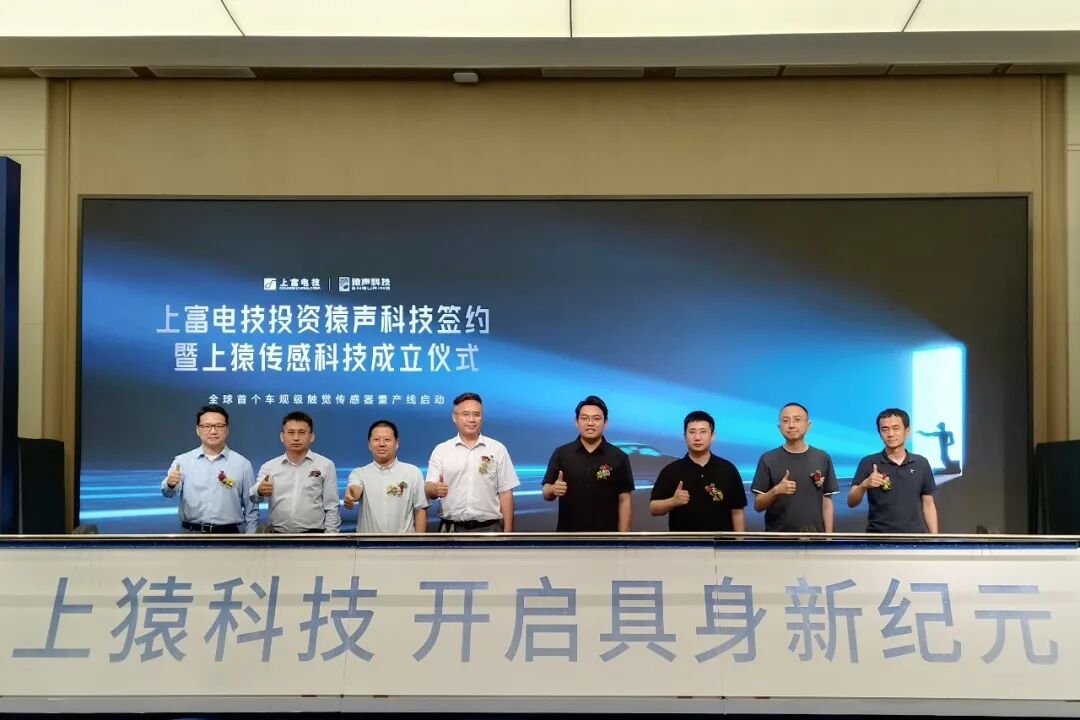
On August 10, Ensuring and Zhuhai Shangfu Electronics completed a strategic investment agreement and formally established their joint venture, Zhuhai Shangyuan Sensing Technology.
The companies also commissioned what they describe as the world's first automotive-grade production line for multidimensional piezoresistive tactile sensors. This marks a shift beyond laboratory performance toward consistency, reliability and the ability to manufacture at scale.
Why automotive-grade manufacturing matters
Robotic touch has advanced rapidly. At scale, however, sensitivity, resolution and sampling rate are only part of the challenge. An equally important manufacturing question is how closely the millionth sensor will match the first.
Sensors on humanoid robots must withstand repeated pressure, shear, impact, temperature and humidity changes, and demanding operating conditions. As robots interact directly with people, objects and production environments, a sensor fault can affect manipulation decisions and system behavior.
We believe robotics can benefit from the manufacturing and quality practices developed by the automotive industry: design validation, process control, batch consistency, lifecycle reliability and traceability. Applying those practices is more meaningful than adding an automotive-grade label.
This is the basis of our partnership with Shangfu. Shangfu brings more than 30 years of automotive electronics manufacturing experience, including automation, process quality control and volume delivery. Ensuring contributes research in multidimensional piezoresistive sensing, electronic skin and tactile data systems.
The joint venture connects two questions: what touch can measure, and how to manufacture that capability consistently.
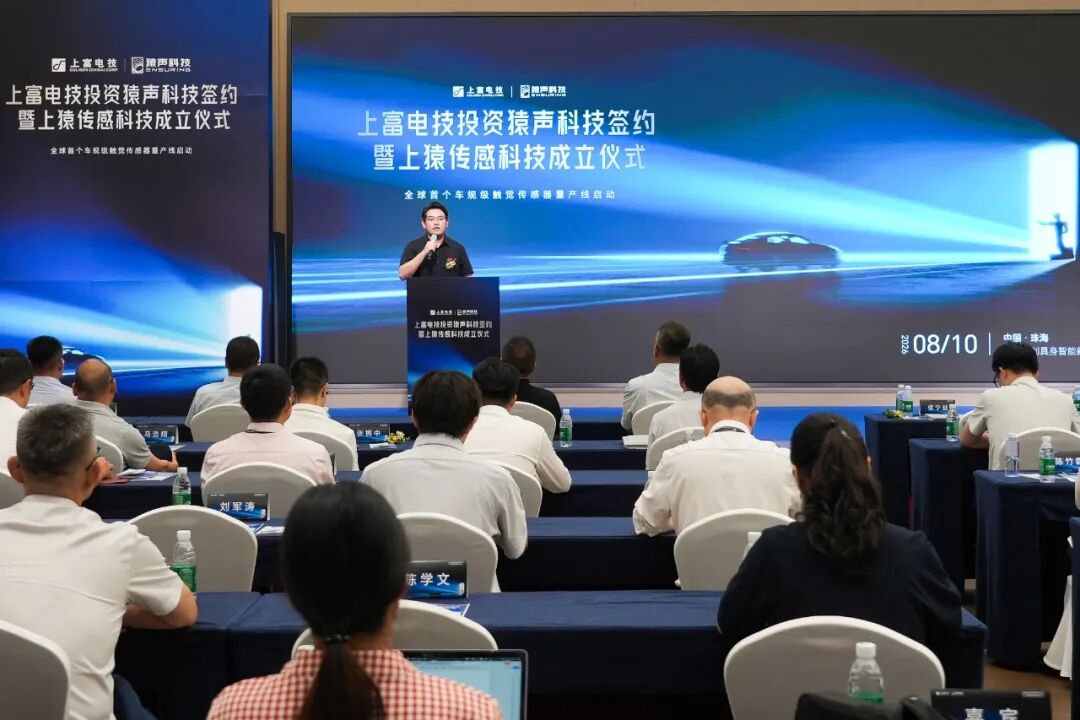
Planned initial capacity: five million sensors a year
The initial line is designed for five million multidimensional tactile sensors annually, with core production equipment installed at Shangfu's intelligent-driving headquarters in Zhuhai High-tech Zone. Shangyuan Sensing will draw on automotive quality management requirements, including IATF 16949, to introduce reliability engineering, process control and traceability into tactile sensor manufacturing.
The objective is to bring established automotive manufacturing methods into robotic touch, rather than rely on terminology alone.
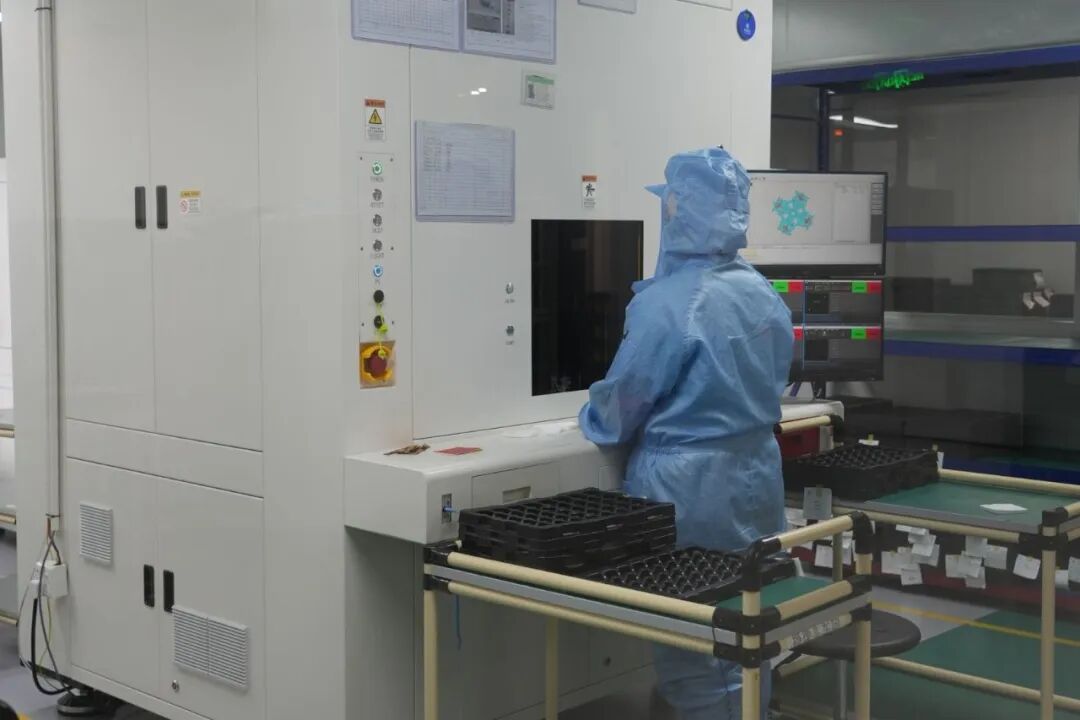
Two initial applications: dexterous hands and tactile data
The first production products will serve two principal applications.
Robotic dexterity: measuring contact, pressure and multidimensional forces at fingertips and hands to support grasping, assembly and fine manipulation.
Tactile data collection: using devices such as tactile data gloves to record contact information during human demonstrations, alongside vision and motion, for embodied AI model training.
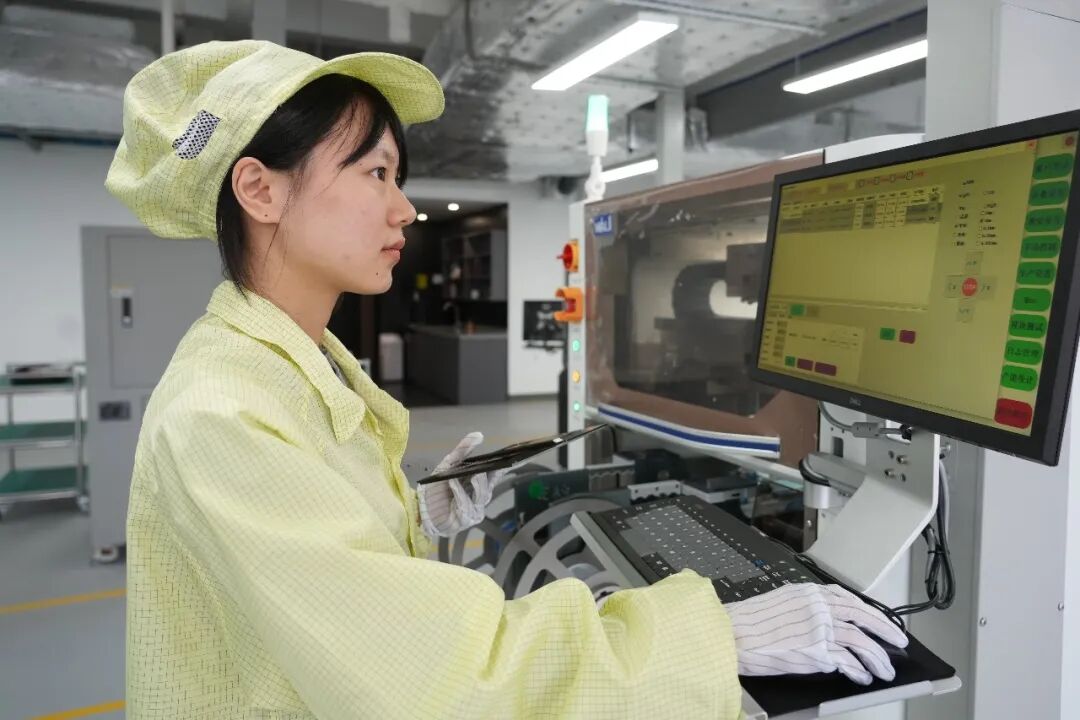
Making touch available at scale
As humanoid robots move from prototypes toward production, tactile sensing is becoming part of the infrastructure needed for reliable physical interaction.
Ensuring's work spans sensors, electronic skin, acquisition systems and tactile models. Manufacturing capacity connects these technologies with practical deployment.
Commissioning the line is one step toward making touch a capability the robotics industry can obtain and use in volume.
Our aim is to give machines useful tactile information—and make the hardware behind it scalable.